
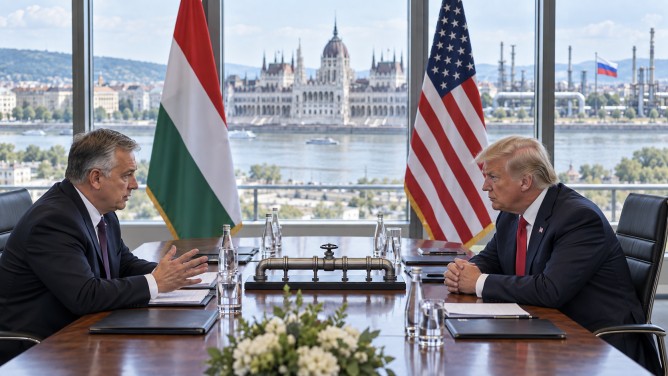
As global tensions rise over energy security, Hungary is navigating a complex geopolitical landscape in its attempt to secure an exemption from new U.S. sanctions targeting Russian oil and gas imports. These sanctions, part of the recently enacted Lindsey O. Graham Sanctioning Russia and Iran Act of 2026, aim to penalize major purchasers of Russian energy, potentially imposing tariffs of up to 100% on imports.
Hungary’s reliance on Russian energy is significant, with the nation importing approximately 5 million tonnes of crude oil and 4.5 billion cubic meters of natural gas annually. In response to these new U.S. measures, Hungary’s TISZA party is actively seeking to mitigate the impact on the country’s energy supplies. Márton Hajdú, chairman of Hungary’s Foreign Affairs Committee, has engaged with Republican members of the U.S. House of Representatives to advocate for an exemption. His efforts underscore Hungary’s broader strategy to diversify its energy sources while maintaining stable relations with Washington.
The new U.S. legislation, signed by President Donald Trump on September 18, grants the administration discretionary power to apply these tariffs, with certain conditions and exemptions. This development places Hungary’s energy policy at a critical juncture, as the nation must balance its current energy dependencies with the geopolitical shifts prompted by the U.S. sanctions.
In light of these challenges, the TISZA party has expressed its intention to develop strategies aimed at reducing Hungary’s reliance on Russian energy. This initiative is seen as crucial for both economic security and maintaining diplomatic ties with the United States, as the implementation of the sanctions unfolds.
The situation highlights the broader implications of international energy politics, where national interests and global alliances are increasingly intertwined. As Hungary navigates these dynamics, the outcome could significantly influence both its domestic energy strategy and its foreign relations, particularly with key international players like the United States.