
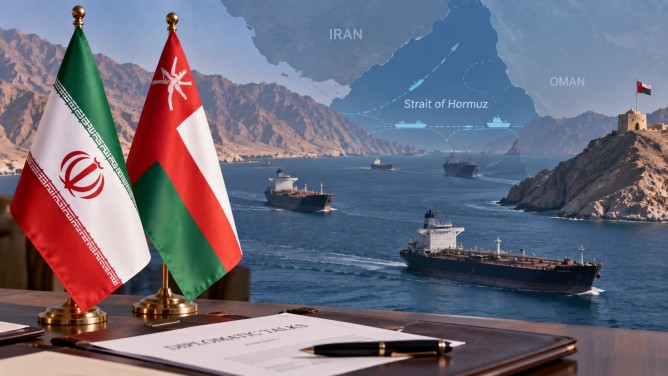
The scheduled meeting involving Iran, Oman, and other Gulf nations to discuss new shipping arrangements through the Strait of Hormuz has been called off, with no new date announced. The meeting was to be hosted in Muscat, focusing on regional security and the joint Iran-Oman proposal for managing commercial shipping through the vital maritime passage. Oman’s Foreign Minister, Badr Albusaidi, stated that the decision to postpone was made to ensure consensus among the parties involved. Iran also confirmed that the postponement was a mutual decision with Oman, following requests from other regional countries.
The delay in talks came shortly after an incident involving an Iranian commercial vessel near Qeshm Island, where reports indicate it was struck, resulting in one fatality and injuries to four crew members. According to Iranian state media, the vessel was hit by a projectile while navigating the Strait of Hormuz, leading to a subsequent fire and the evacuation of the crew. This incident has raised concerns over the security of commercial shipping routes in the area.
Iran and Oman have been exploring alternative shipping routes through the Strait, proposing a system where vessels entering the Persian Gulf would utilize Iranian waters, while outbound traffic would traverse both Iranian and Omani waters. However, Iran has emphasized that reopening the Strait of Hormuz hinges on meeting its stipulated conditions. Tehran has also suggested the possibility of imposing fees on vessels using these proposed routes.
Amid these developments, commercial traffic through the Strait remains significantly reduced, posing challenges for global energy markets, given the waterway’s critical role in oil shipments. The postponement of the meeting coincides with heightened diplomatic strains in the Gulf region. Saudi Arabia has reportedly expressed the need for amendments to the proposed Iran-Oman shipping arrangement, while Bahrain has decided against participating in the discussions.
The ongoing uncertainty surrounding the Strait of Hormuz has contributed to rising oil prices, with Brent crude surpassing $100 a barrel amid escalating regional tensions. This situation is exacerbated by the continued shutdown of Saudi Arabia’s 1,200-km East-West oil pipeline following drone attacks, which limits alternative routes for transporting crude to the Red Sea. If the pipeline remains closed for an extended period, a significant portion of global oil supplies could be at risk, further disrupting the already strained shipping routes through the Strait of Hormuz.