
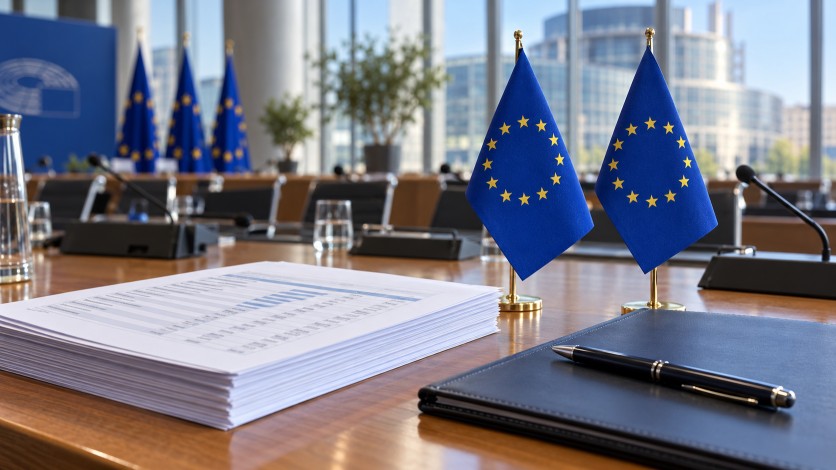
Germany, along with five other significant contributors to the European Union budget, is advocating for considerable cuts to the proposed EU budget for the years 2028–2034. This demand highlights ongoing tensions among EU member states regarding budgetary priorities. The coalition, which includes Austria, Denmark, Finland, the Netherlands, and Sweden, argues that the nearly €2 trillion budget put forth by the European Commission requires fundamental reform, suggesting reductions amounting to several hundred billion euros.
In their joint statement, these countries emphasized the need for the EU to allocate more funds towards security and defence, competitiveness, innovation, and migration management, while proposing revisions to traditional spending areas like agricultural and regional development funding. This push for reform comes as the European Commission’s budget proposal aims to address a variety of priorities, including regional development, agriculture, competitiveness, security, migration, and global partnerships.
With budget discussions ongoing, the call for a smaller financial framework is encountering resistance from member states advocating for sustained or heightened funding in areas such as agriculture and regional development. The negotiations are crucial as EU governments strive to reach a consensus before the new financial framework is set to commence in 2028.
The discord among EU members underscores the challenge of balancing diverse national interests with the bloc’s broader objectives. As the discussions progress, the outcome will likely affect how the EU manages its resources and addresses pressing issues across the continent in the coming years.