
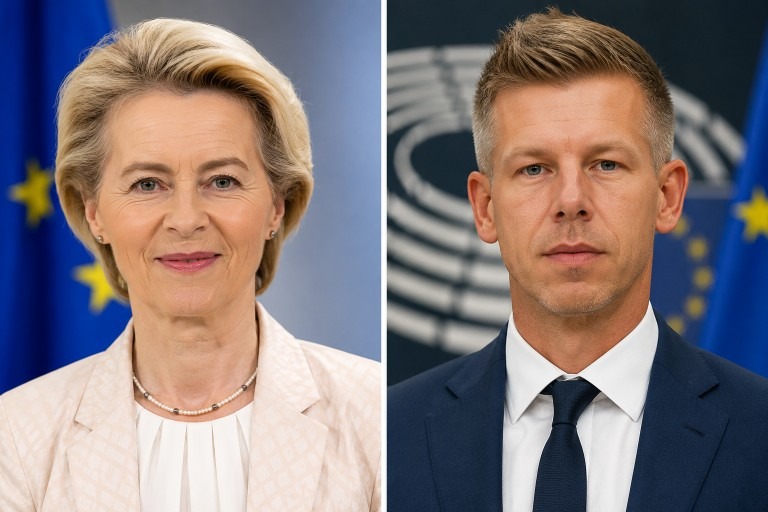
Hungary has struck a deal with the European Commission that will release billions of euros in European Union funds that had been previously frozen. This breakthrough comes after Hungary committed to a series of reforms aimed at enhancing transparency and governance, particularly concerning EU fund management. European Commission President Ursula von der Leyen acknowledged that steps have been initiated by the Hungarian government to address these concerns. The proposed reforms include bolstering anti-corruption measures, improving oversight systems, and integrating into the European Public Prosecutor’s Office.
The agreement sets the stage for Hungary to receive substantial funding, which is earmarked for bolstering infrastructure, energy security, housing, transportation, and business development initiatives. Furthermore, Hungary stands to gain additional funds as it continues to implement reforms in other sectors, such as higher education and academic governance. Hungarian Prime Minister Péter Magyar has confirmed that the comprehensive package amounts to €16.2 billion in EU funding, which he regards as a pivotal boost for Hungary’s economic growth and investment strategies.
In addition to financial support, the agreement facilitates Hungary’s full re-entry into the Erasmus exchange program, allowing Hungarian students to participate starting in the next academic year. This marks a significant development in educational collaboration between Hungary and the EU.
Migration policy remains a contentious issue in the ongoing dialogue between Hungary and the European Union. Prime Minister Magyar reaffirmed that Hungary will maintain strict border controls and prevent illegal migration while fulfilling its European obligations. He emphasized the crucial role of safeguarding the European Union’s external borders, reiterating Hungary’s stance against establishing migrant camps within its territory.
This funding agreement represents a notable advancement in the relationship between Hungary and the European Commission, following years of disputes over governance, judicial reforms, and budget distribution within the EU. It signals a move towards improved cooperation and alignment on several critical issues.