
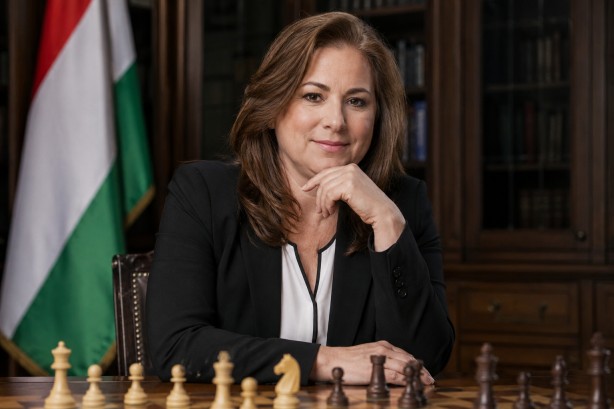
In a surprising political development, Hungary’s Prime Minister Péter Magyar has put forward the idea of appointing Judit Polgár, an acclaimed chess grandmaster, as the interim president of the country. This suggestion comes in the wake of President Tamás Sulyok’s resignation, as the nation awaits the adoption of a new constitution. Magyar announced his proposal via social media, praising Polgár’s esteemed reputation and leadership potential during this transitional period.
The proposal has ignited a political stir, as some voices within Hungary have expressed reservations about Polgár’s suitability for the presidency due to her lack of formal experience in legal or constitutional matters. Critics have also voiced concerns about the transparency of the process used to select the interim head of state, arguing for clearer procedures in choosing a permanent leader for the country.
As of now, Judit Polgár has not publicly commented on the prime minister’s proposal. Her potential appointment has become a focal point of discussions, highlighting the broader debate about leadership qualifications and the processes involved in presidential appointments.
Opposition parties have been particularly vocal, challenging the manner in which the government is handling the transition. They are urging for more openness and clarity in the decision-making processes that will ultimately determine the nation’s leadership. This situation underscores the importance of maintaining democratic principles in the selection of a new president.
While the conversation around Polgár’s nomination continues, Hungary remains in a state of anticipation, waiting to see how the leadership transition will unfold. The outcome will not only influence the immediate political landscape but could also have lasting implications for the country’s governance framework.