
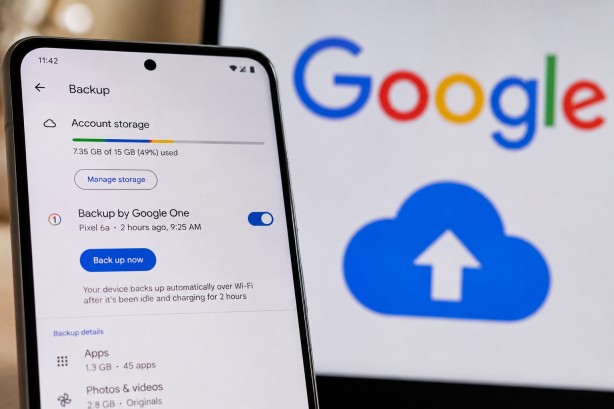
In a forthcoming update, Google plans to alter the way Android backups are managed by including them in the 15GB of free cloud storage allocated to each Google Account. Currently, Android device backups, which comprise SMS messages, call logs, app data, and device settings, do not count against this storage limit shared between Google Drive, Gmail, and Google Photos. However, with the anticipated change, these backups will start consuming space within the existing storage cap.
This policy shift is expected to be implemented in the coming weeks. According to Google, the typical Android backup will add about 40MB to a user’s storage consumption. As users near or surpass their storage limits, they might need to either clear some space or consider upgrading to a Google One subscription to accommodate their backup needs. If an account exhausts its available storage, automatic device backups will be temporarily halted until more space is freed up.
In addition to the storage policy change, Google is reportedly working on enhancing backup controls for users. This development would grant users the ability to select specific apps and data types they wish to back up, thereby offering more granular control over their cloud storage usage. The additional flexibility aimed at reducing the overall size of backups could help users manage their storage more efficiently.
The alteration in backup storage policy underscores a broader shift in how cloud storage services are being structured, compelling users to be more mindful of their data management strategies. For those who extensively use Google’s suite of services, this could mean reevaluating their current storage utilization and possibly exploring options for expansion via Google One, should their needs surpass the standard free offering.
As Google prepares to roll out these updates, Android users will need to stay informed about how these changes might impact their storage habits. With the introduction of more detailed backup controls, users can expect to have a say in what gets backed up, potentially minimizing unnecessary use of their allotted storage space. These adjustments reflect an ongoing trend towards personalized and efficient data management in an increasingly digital world.