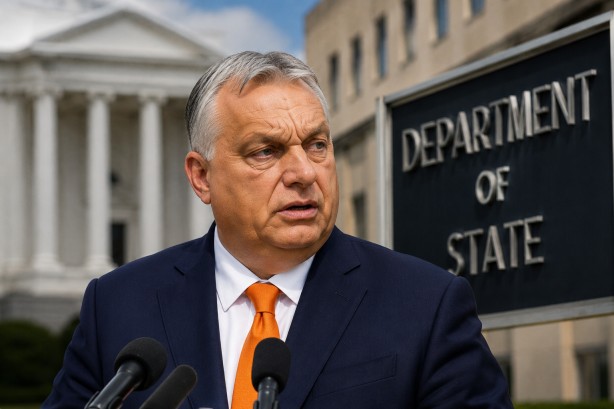
During a recent visit to the United States, former Hungarian Prime Minister Viktor Orbán engaged in significant discussions at both the White House and the U.S. Department of State. This trip coincided with his attendance at a FIFA World Cup match, though Orbán emphasized that the primary focus of his journey was the official meetings in Washington, D.C. Speaking at a press conference in Budapest, Orbán remained tight-lipped about the identities of the officials he met and the specifics of their conversations. However, it was noted that these meetings took place while U.S. President Donald Trump and Secretary of State Marco Rubio were in the capital, though no concrete details have been disclosed.
In a lighter vein, Orbán mentioned that his travel costs and World Cup tickets were funded privately, quipping that the event is an affordable indulgence given its occurrence every four years. He is scheduled to elaborate further on his U.S. trip during an address at the upcoming Bálványos Summer Camp in Romania, providing more insight into the purpose and outcomes of his meetings.
The backdrop to Orbán’s visit to the United States is a politically charged atmosphere in Hungary, where tensions have escalated. The former prime minister has accused the current Hungarian administration of eroding democratic institutions, a claim that has drawn the attention and concern of several European political figures who have voiced alarm over Hungary’s political environment and adherence to the rule of law. So far, the Hungarian government has not issued a public response to these allegations.
Orbán’s engagement in the United States and his ongoing criticism of the domestic political scene highlight the complex interplay between Hungary’s internal politics and its international relations. As he prepares to address these issues further in his upcoming speech, observers will be keen to see how his comments might influence both the political discourse within Hungary and its diplomatic ties abroad.