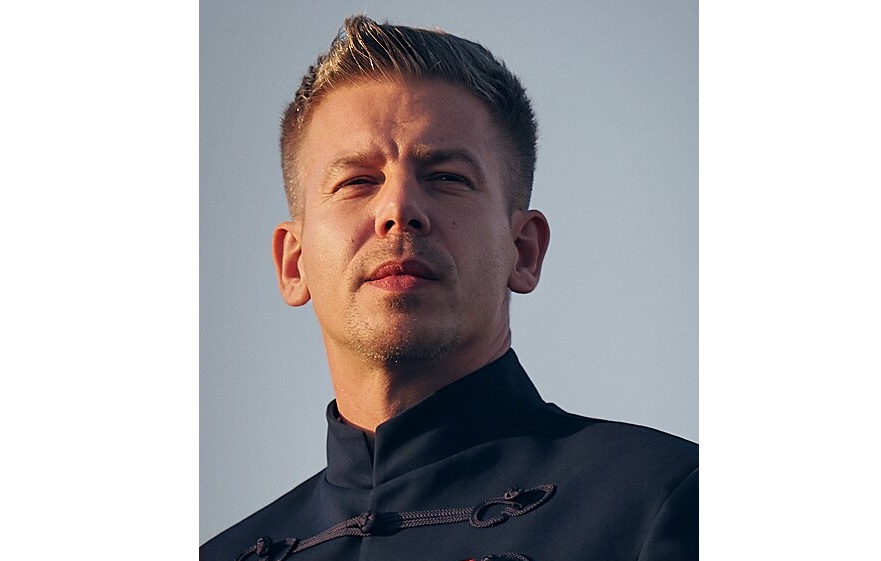
At the recent European Council summit, Hungarian Prime Minister Péter Magyar highlighted that discussions were predominantly centered around Ukraine’s bid for European Union membership, the bloc’s sanctions policy, and its overarching economic challenges. According to Magyar, the summit’s concluding declaration on Ukraine was crafted using language that had been unanimously agreed upon by all EU member nations. Additionally, a proposal intended to expedite Ukraine’s accession into the EU was withdrawn after extensive consultations among the member states.
The conversation regarding Ukraine’s future within the EU remains a contentious issue. Several member countries have expressed apprehension about the speed of Ukraine’s accession process, as well as the possible economic repercussions it could entail. This debate continues to be a focal point as the EU navigates the complexities of expanding its membership while balancing internal economic stability.
During the summit, Prime Minister Magyar engaged in discussions with Roberta Metsola, addressing Hungary’s ongoing Article 7 procedure and broader EU-related matters. This mechanism, which can be invoked when there is a perceived breach of EU values, has been a point of contention between Hungary and the broader EU community. Magyar also met with Slovak Prime Minister Robert Fico and participated in strategic dialogues with leaders from the Visegrád Group, a cultural and political alliance of four Central European states, including Hungary, Poland, the Czech Republic, and Slovakia.
Emphasizing regional cooperation, Magyar underscored the significance of revitalizing the Visegrád partnership among Central European nations. He confirmed that plans are underway for further regional discussions to be held in Hungary, aiming to reinforce collaboration on mutual interests. Meanwhile, EU leaders are set to continue their deliberations on the bloc’s long-term budgetary framework for the period from 2028 to 2034, a crucial aspect of the EU’s economic planning and policy-making.