
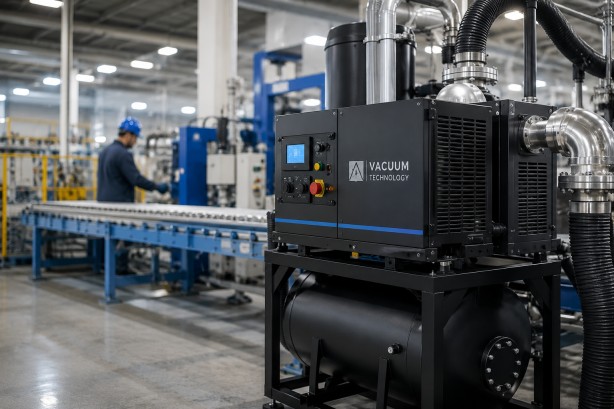
In the realm of manufacturing, advanced vacuum technology is making significant strides in boosting efficiency and cutting down operational costs. By transitioning from outdated vacuum pump systems to cutting-edge solutions, manufacturers can not only enhance process reliability but also achieve considerable energy savings. Choosing the right vacuum pump technology tailored to specific applications is crucial, as it can lead to a reduction in energy consumption, lower maintenance requirements, and improve overall performance in the long run.
Various vacuum pump technologies such as rotary vane, dry claw, dry screw, and liquid ring pumps are capable of achieving comparable vacuum levels. However, their efficiency can vary widely depending on the operating conditions. Important factors to consider include the necessary vacuum range, variability in demand, resistance to contamination, maintenance needs, and constraints related to installation. Thorough evaluation of these aspects is essential to ensure optimal performance.
The enhancements in vacuum pump design have played a key role in increasing efficiency. Key innovations include optimized compression chambers, advanced thermal management, durable wear-resistant materials, efficient filtration systems, and user-friendly construction. These features collectively contribute to minimizing energy losses, extending the lifespan of equipment, and reducing downtime.
Additionally, motor technology has seen significant advancements, offering further efficiency improvements. High-efficiency motors, including those classified as IE5, are designed to convert electrical energy more effectively, which in turn reduces operating costs. Motors that are compatible with variable speed drives (VSDs) can tailor performance to match changing process demands, thereby avoiding unnecessary energy use and enhancing the overall efficiency of the system.
Investing in modern vacuum systems can yield substantial business benefits, such as lower energy bills, increased equipment reliability, improved product quality, and a reduction in carbon emissions. Some advanced vacuum pump designs can cut energy consumption by as much as 30%, while certain scroll vacuum pumps may achieve savings of up to 50% compared with traditional rough vacuum technologies. Industry experts highlight that despite the potentially higher initial investment for modern vacuum systems, the resulting decrease in operating costs, maintenance expenses, and energy consumption can lead to a swift return on investment, while also promoting long-term sustainability and operational resilience.
Legal Disclaimer: The information contained in this article has been provided by independent third-party contributors, clients, or content partners. We do not independently verify the accuracy, completeness, legality, ownership, licensing, or reliability of submitted content, including text, images, videos, trademarks, or other media materials. The submitting party is solely responsible for ensuring that all content, including images and media assets, complies with applicable copyright, trademark, licensing, and intellectual property laws. We disclaim liability for any unauthorized use of copyrighted or proprietary materials by third parties. If you believe that any content published on this platform infringes your intellectual property rights, kindly contact the author above for prompt review and resolution.