
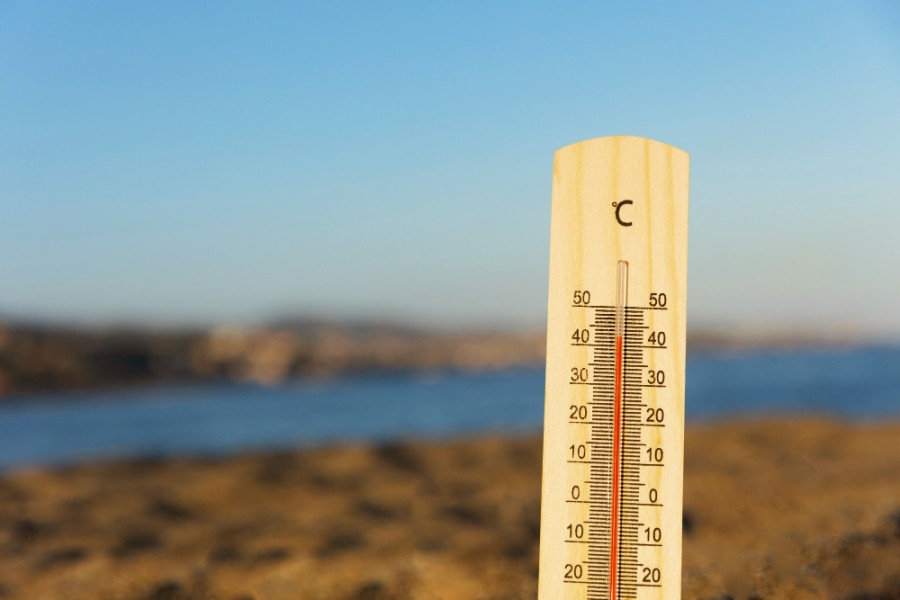
A sweltering heatwave is sweeping through central, eastern, and southern Europe, causing authorities to issue emergency warnings as temperatures soar to perilous levels. Red alerts have been announced, urging residents to steer clear of outdoor activities during peak heat hours. Cities such as Budapest, Belgrade, and Bucharest are witnessing unprecedented temperature spikes, prompting countries like Hungary, Poland, Romania, Serbia, Croatia, Slovakia, and Bosnia and Herzegovina to implement emergency measures in response to the relentless heat.
In Germany, the mercury has surpassed 40°C for the third day in a row, leading to transport chaos as the intense heat inflicts damage on railway and tram networks. Many countries have established cooling centers and are taking proactive steps to shield vulnerable populations from the severe weather conditions. The heatwave is not only a threat to human health but also raises the risk of wildfires. Firefighters are actively combating fires across southern Europe, including a significant blaze on Croatia’s island of Vis. Authorities have cautioned both tourists and locals to remain vigilant in light of these dangers.
While Western Europe is beginning to experience some respite following record-breaking heat, the scorching temperatures have already been associated with a significant increase in mortality rates. Experts attribute the severity and widespread nature of the heatwave to the ongoing effects of climate change, which is intensifying such extreme weather events. The situation underscores the urgent need for both immediate responses to protect lives and long-term strategies to mitigate climate impacts.
Ukraine, already grappling with the strains of war, finds its energy system further burdened by the soaring electricity demand brought on by the extreme heat. Officials have sounded alarms about the potential for additional challenges in maintaining power supplies, as the infrastructure struggles to cope with increased consumption. The heatwave adds a layer of complexity to an already strained system, highlighting the interconnectedness of climate change impacts on geopolitical and social issues.